
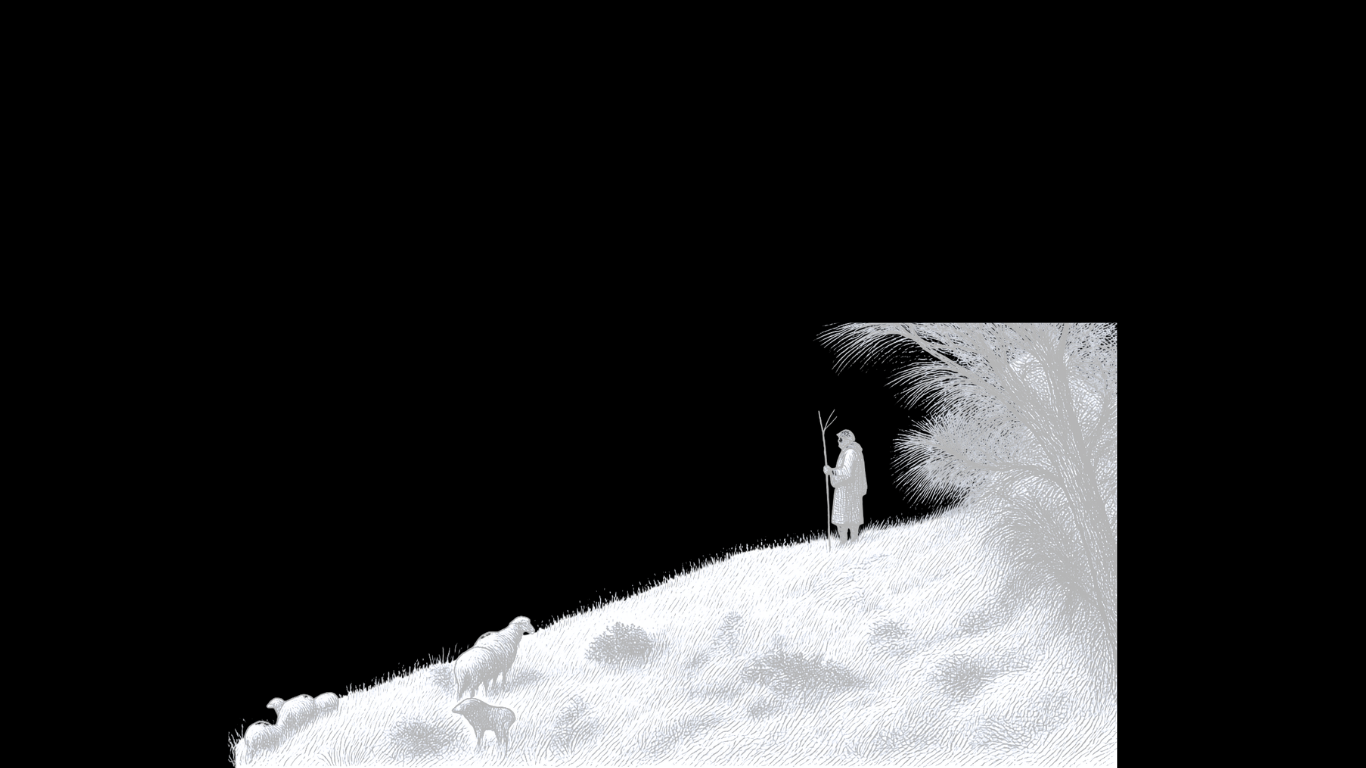
Cake Town
I am the first father of the cake-worshipping town. I was on my journey of life and at the end of my journey, I expected a piece of cake. My agreement with the gods was that after all my hard work, especially sacrificing myself for others, surely there will be a piece of cake waiting for me at the end. This cake, once eaten, will provide a plateau of pure contentment. It was not success that I was after; it was satisfaction. The cake would give me lifelong relaxation.
But when I arrived at my destination, the cake was not there. “The cake that I promised myself - that the gods promised me- is not here! The years I sacrificed myself seem worthless. Sure, I enjoyed the journey, but I was in it for the cake!”
I could see that the cake is not there, but I could not accept that the cake is not there. So, what did I do?
So, I set up camp at the cake’s intended appearance site. I built a town and told fables to young child in my town square of the imminent arrival of the cake. I wrote books about how the cake will surely arrive and when it does, the townspeople, me included, will finally be rewarded for their faith in the prophecy of the cake. And so, for two years, or for what is centuries for the townspeople, the town has not read a single book. It has not learned a single new thought. It has shunned away outsiders and rendered them beneath them. The prophecy of the cake is so strong it made the townspeople forget who they were before I showed up and decided to wait for the cake.
The religion of the cake is much like when a mother’s child dies, and she still rocks the empty casket. She can see the baby is gone but she cannot accept it. I could see the cake is not here, but I could not accept the cake is not here. So, I have built a religion worshiping the cake. I have created a fear of ever challenging the prophecies of my religion, ever questioning that the cake might never arrive and we must continue the journey, ever accepting that there is no grand reward of satisfaction and contentment that can ever be attained other than death.
But the townspeople are now very poor; they are shunned from the other towns for being too illiterate and too behind. The townspeople feel isolated from others; they feel detached from nonbelievers in the prophecy of the appearance of the cake. So, while all the other towns go on with their lives, my townspeople are stuck in time, waiting for their prophet to come free them. Staying uneducated, staying behind.
Some young folks in the town want to carry on. They want to get back on the wagon and move on in the journey. They want to stop waiting for the cake. But to carry on means to accept that the cake might never arrive and that there is no use in waiting for it. To carry on means that there is no grand reward or lifelong satisfaction for sacrificing themselves. To carry on means to learn anew how to live for themselves and not for their prophet, the cake. The townspeople won’t have that! This is all they’ve known! And they are quite comfortable in this familiarity.
So, what will the young folk do? Will they revolt? Or will their voices be silent amongst the loud worships of the elderly townspeople?